
Habits That Keep Drains Clog-Free
Most slow drains do not happen overnight. They build up quietly over weeks and months, one rinse at a time, until the water in your sink takes a little longer to disappear. Then one morning it does not disappear at all.
The good news is that a lot of that build-up is avoidable. A handful of small habits, practiced by everyone in the house, keeps the majority of kitchen, bath, and laundry drains moving the way they should. Here at Stamp Plumbing & Heating in Bloomfield, NJ, we handle drain cleaning and clogged drains all the time, and the patterns are pretty consistent from home to home.
Here is a plain look at what should never go down which drain, and the gentle upkeep that keeps things quiet in between.
The Kitchen Sink Is Not a Trash Can
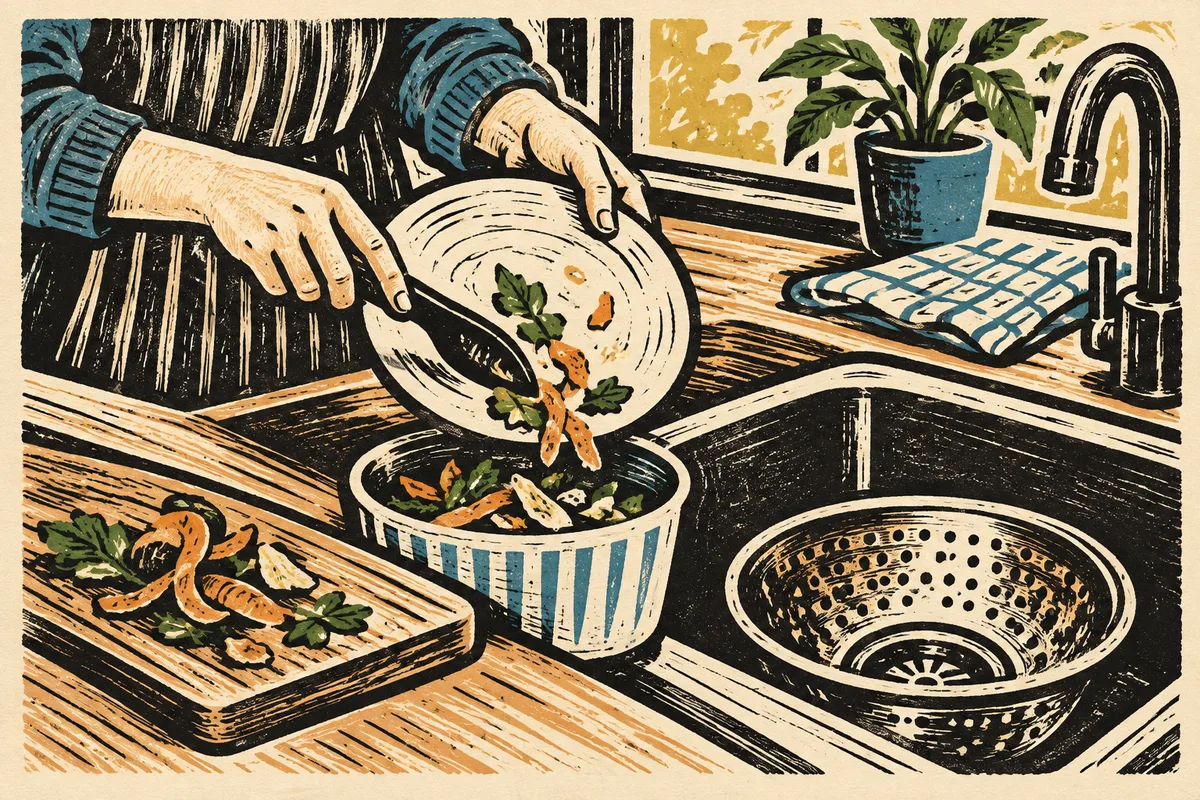
Grease is the big one. Bacon fat, pan drippings, the oily film left in a skillet after cooking sausage or ground beef. It pours like a liquid when it is hot, but once it hits the cooler pipe under your house it cools and clings to the walls. Over time it narrows the pipe like a coating on the inside of a straw, and it catches everything that comes along after it.
Let grease cool in the pan or in an old can, then scrape it into the trash. Wipe greasy pans with a paper towel before they ever reach the sink. Even if you run hot water while you pour, the grease does not vanish; it just travels farther down before it settles.
Other kitchen offenders include coffee grounds, eggshells, rice and pasta, potato peels, celery and other stringy vegetables, and flour or batter rinsed off a mixing bowl. If you have a disposal, treat it as a helper for the small bits left on a plate, not as a way to dispose of a meal's worth of scraps. Run cold water while it works and for a few seconds after it finishes, so the pieces are carried all the way out instead of parking in the trap.
Bathroom Drains and the 'Flushable' Myth
In the tub and shower, hair is the main culprit, especially when it combines with soap residue to form a soft, sticky mat just below the strainer. A cheap hair catcher over the drain solves most of this. Pull it, empty it into the trash, and rinse it once a week and you have handled the problem before it becomes one.
In the sink, watch what gets rinsed away. Heavy creams, hair product, and anything thick and waxy will leave deposits behind. So will the grit from cleaning projects. Wipe rather than rinse when you can.
In the toilet, the rule is simple: human waste and toilet paper, nothing else. Wipes marketed as flushable go down the bowl but do not break apart the way toilet paper does. They snag on rough spots and joints in the line and collect everything behind them. The same goes for paper towels, cotton swabs, feminine products, cat litter, and medications. If you have children, a lidded trash can in the bathroom saves a lot of trouble.
Laundry deserves a mention too. Lint, sand, and pet hair ride out with the wash water. A mesh lint trap on the washer discharge hose is an easy addition that keeps a lot of debris out of the line.
Gentle Upkeep That Actually Helps
Once a week, fill a sink basin with hot tap water and let it drain all at once. That surge does more to scour a pipe than a thin trickle from the faucet ever will. Do the same for tubs when you think of it.
Every month or two, pull the stopper or strainer in your bathroom sinks and tubs and clean what has gathered underneath. It is unpleasant for about ninety seconds and it prevents a lot of slow drains.
Pour a bucket of water down floor drains and rarely used guest bathroom fixtures now and then. The trap under them holds water that blocks sewer gas, and when a fixture sits unused that water evaporates and odors drift in.
We suggest going easy on harsh chemical drain openers. They can sit in a pipe generating heat, and repeated use is hard on older lines and fixtures. If a drain is not responding to a plunger or a simple cleaning, that is usually a sign something more than residue is in the way.
Signs It Is Time to Call
Pay attention when more than one fixture acts up at the same time. A single slow sink is often a local clog. A slow sink plus a gurgling tub plus a toilet that bubbles when the washer drains points toward the main line, and that needs a different approach.
Repeat clogs in the same spot are worth investigating too. If a line backs up every few months no matter how careful you are, something structural may be going on, and a video camera inspection can show what is happening inside the pipe rather than guessing at it.
Stamp Plumbing & Heating serves Bloomfield and the surrounding area with drain cleaning, sewer line work, and all the kitchen, bath, and laundry plumbing that goes with it. If you are not sure whether what you are seeing is normal, give us a call and describe it. We are happy to talk through your situation and help you figure out the next step.
Questions about your own situation? The team at Stamp Plumbing & Heating is happy to help — call us at (862) 333-9396 or request an appointment.
This article is for general information only.