Protecting Your Pipes From Freezing
Winter in Bloomfield can bring sharp temperature drops, and that means extra stress on the pipes running through your home. Frozen pipes are more than a minor inconvenience. They can lead to burst lines, water damage, and a stressful scramble to find the source of the problem once the ice thaws.
The good news is that a little preparation goes a long way. Knowing which pipes are most likely to freeze and taking a few simple steps now can help you avoid a much bigger headache later in the season.
Which Pipes Are Most Vulnerable
Not all pipes face the same risk. Pipes located in unheated or poorly insulated areas are the ones to watch most closely. This includes lines that run through basements, crawl spaces, attics, and garages, since these areas often stay much colder than the rest of the house.
Pipes along exterior walls are also at higher risk, even if they are technically inside your home. Without enough insulation, cold air can seep in and bring the surrounding pipe temperature down quickly. Outdoor faucets, sprinkler lines, and any plumbing connected to hose bibs are especially exposed since they sit right at the edge of the heated part of your home.
Kitchen and bathroom pipes tucked into cabinets along outside walls can freeze too, particularly if the cabinet doors stay closed and trap cold air around the plumbing.
Simple Steps to Protect Your Pipes
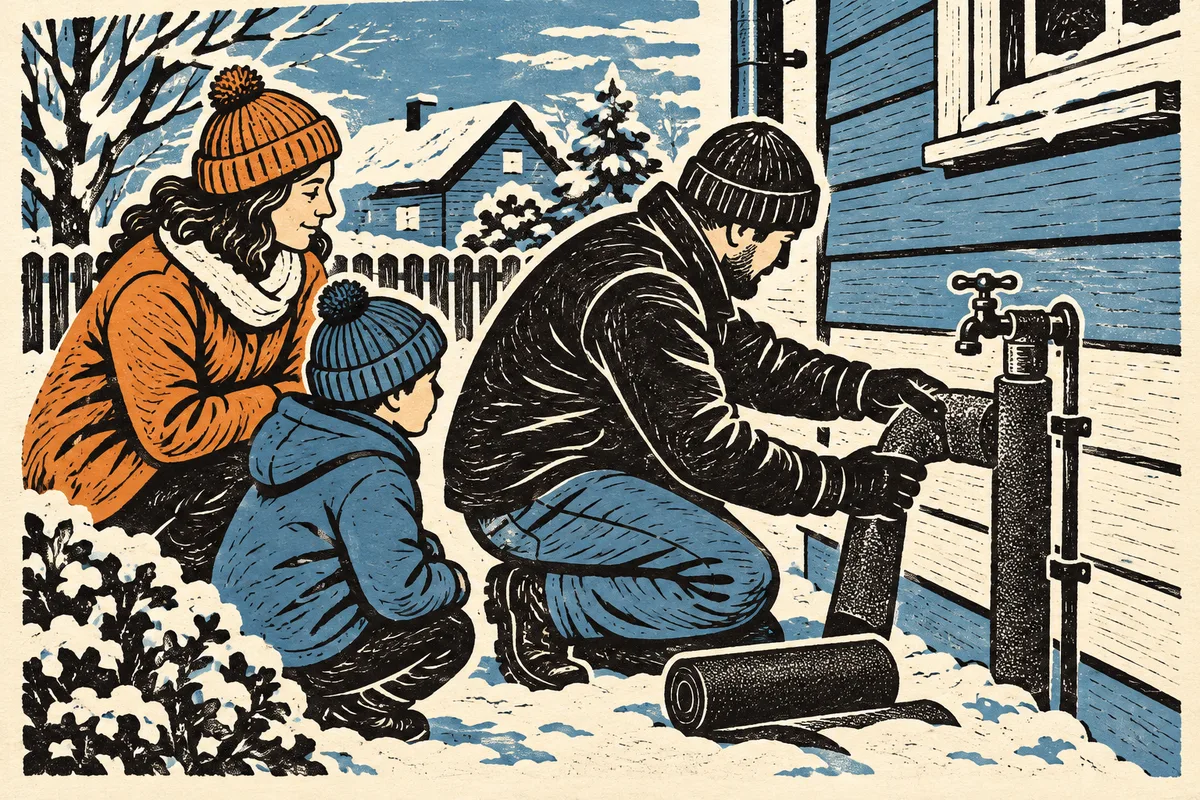
You do not need a major renovation to keep pipes safer during cold weather. Start by sealing any gaps or cracks near where pipes enter your home, since even small openings let in enough cold air to cause trouble over time. Foam pipe sleeves or wrapped insulation are an easy way to add a protective layer to exposed pipes in basements, crawl spaces, and garages.
On especially cold nights, letting faucets fed by exposed pipes drip slightly can relieve pressure and keep water moving, which makes freezing less likely. Opening cabinet doors under sinks that sit against exterior walls allows warmer household air to circulate around the plumbing underneath.
It also helps to know where your main water shutoff valve is located before you ever need it. If you are unsure, this is a great question to ask during a routine check of your home's plumbing system. Keeping your home at a steady, consistent temperature, even when you are away, is another simple habit that protects your pipes without much extra effort.
If you plan to be away from home for an extended stretch during the colder months, consider having someone check on the house periodically or ask about additional steps for your specific setup.
What to Do If a Pipe Freezes
If you turn on a faucet and only a trickle or nothing comes out, you may have a frozen pipe. The first step is to keep the faucet open so that as things thaw, water has somewhere to go and pressure does not build up inside the line.
Try to locate the section of pipe that seems affected, usually the coldest, most exposed area is discovered first. Gentle warming with a hair dryer on a low setting or warm towels wrapped around the pipe can sometimes help, but avoid open flames or high heat sources, since they can damage the pipe or create other hazards.
If you notice bulging, cracking, or any sign the pipe has already split, shut off the water at the main valve right away and avoid running any water through that line. This is the point where it makes sense to stop troubleshooting on your own and reach out for help, since a pipe that has already been damaged needs a proper inspection before you turn the water back on.
When to Reach Out
Every home is a little different, and older houses in Bloomfield often have plumbing layouts that make certain pipes more exposed than others. If you are not sure whether your home has vulnerable spots, or if you want a second set of eyes on your setup before the coldest weeks of winter arrive, it is worth asking a professional to take a look.
Stamp Plumbing & Heating is available to answer questions about your specific plumbing setup, from insulation options to what steps make sense for your particular home. If you ever deal with a frozen or burst pipe and are not sure what to do next, give us a call so we can talk through your situation and figure out the right next step together.
Questions about your own situation? The team at Stamp Plumbing & Heating is happy to help — call us at (862) 333-9396 or request an appointment.
This article is for general information only.