What a Dripping Faucet Really Wastes
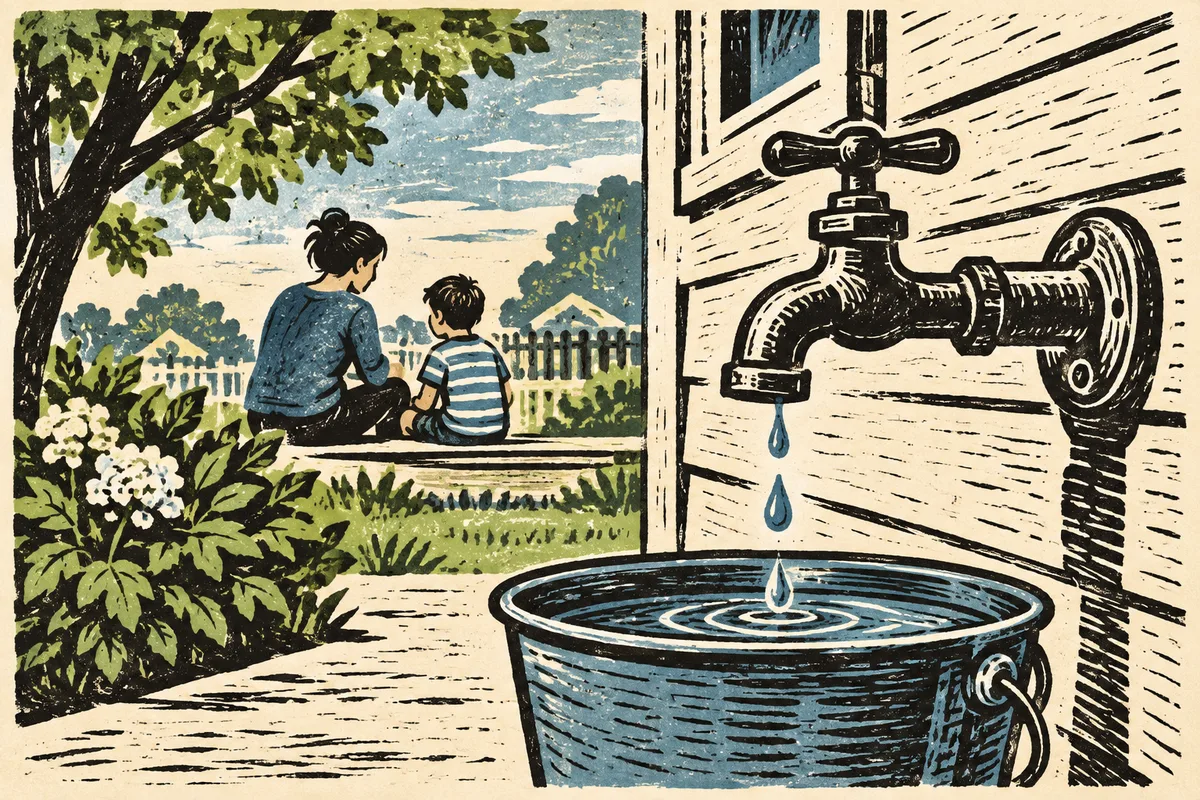
A dripping faucet is one of those household sounds we learn to tune out. It taps away at night, drips into the basin during breakfast, and somehow becomes part of the background noise of daily life. Most people wait to deal with it because it seems minor. But a faucet that drips today is a faucet with a worn part, and worn parts do not fix themselves.
In this post, we will walk through why drips start, why they tend to get worse instead of staying the same, and what they actually cost you over time in water, fixtures, and peace of mind. If you notice a drip in your kitchen, bathroom, or laundry room, this should help you understand what is really going on underneath the sink.
Why Faucets Start to Drip in the First Place
Most faucets rely on small internal parts, like washers, O-rings, or valve seats, to create a tight seal that stops water flow when you turn the handle off. Over years of use, these parts wear down from friction, mineral content in the water, and simple age. Once the seal is no longer tight, a small amount of water sneaks past it, and you get a drip.
Water pressure in your home also plays a role. Higher pressure pushes harder against a worn seal, which can turn a slow, occasional drip into a steady one. This is one reason two homes with similar faucets can have very different experiences with the same worn part.
Sometimes the cause is not the faucet itself but the supply line or shutoff valve behind it. If a drip seems to come from strange angles or shows up right after other plumbing work, it is worth having someone take a closer look rather than assuming it is the faucet handle alone.
Why a Small Drip Rarely Stays Small
A drip is not a steady, unchanging problem. The same friction and mineral build-up that caused the first leak keeps working on the same part every time water passes through it. As the washer or seal wears further, the opening it fails to close gets a little bigger, and the drip speeds up.
Mineral deposits from tap water can also collect on internal parts, especially in areas with harder water. These deposits can make handles stiffer to turn and can wear down seals faster once they start scratching against a rough surface. What began as an occasional drop can turn into a thin stream over months, especially if the faucet gets used often.
This is why a drip that seems easy to ignore in January can be noticeably worse by summer. The part is not resting. It is being worn down a little more every single day.
What It Quietly Costs You
The most obvious cost is water use. Every drip is water that is paid for, treated, and pumped into your home, then sent straight down the drain without ever being used. Because it happens continuously, day and night, it adds up over weeks and months in a way that is easy to miss on a monthly water bill until you look closely.
There are other costs that are less visible. If the drip is from a hot water faucet, your water heater is quietly working to replace that lost hot water, which means it runs more than it should. Constant moisture around a faucet base or drain can also lead to staining on sinks and tubs, mineral crust around fixtures, and in some cases, water finding its way into places it should not, like under a cabinet or behind a wall.
In bathrooms and laundry rooms especially, a drip that goes unnoticed for a long stretch can contribute to slow moisture damage nearby, particularly if it is dripping into an overflow area or a spot without good drainage. None of this happens overnight, but it happens steadily, which is exactly why drips deserve attention sooner rather than later.
When to Call a Plumber
Not every drip needs an emergency call, but it is worth having someone check it before it turns into a bigger repair. If you notice a drip that has been going on for more than a few days, one that seems to be getting faster, or one paired with a noticeable rise in your water usage, those are good signs it is time to get it looked at.
At Stamp Plumbing & Heating, we work on faucets, sinks, tubs, and showers throughout Bloomfield and the surrounding area as part of our regular kitchen, bath, and laundry room plumbing services. We are also glad to check related things while we are there, like water lines, shutoff valves, or drain flow, since a drip is sometimes a small clue pointing to something else nearby.
If you have a faucet that has started dripping, or one that has been dripping for a while and you are simply not sure how serious it is, give us a call. We are happy to answer questions about your specific situation and help you figure out the right next step.
Questions about your own situation? The team at Stamp Plumbing & Heating is happy to help — call us at (862) 333-9396 or request an appointment.
This article is for general information only.